Best Pizza in Sydney - Roman Style Since 2000
XL Roman pizza and 12-hr slow-cooked pasta — delivery, takeaway and corporate catering from York Lane, 2 min from Wynyard. Free CBD delivery $50+. Since 2000.
Pizza & Pasta Delivery — Sydney CBD
Since 2000, Made In Italy has been delivering XL hand-stretched Roman pizza and 12-hour slow-cooked pasta to offices, apartments and events across the Sydney CBD. Based at 37 York Lane, 2 minutes from Wynyard, we offer delivery, takeaway and corporate catering Tuesday to Saturday.
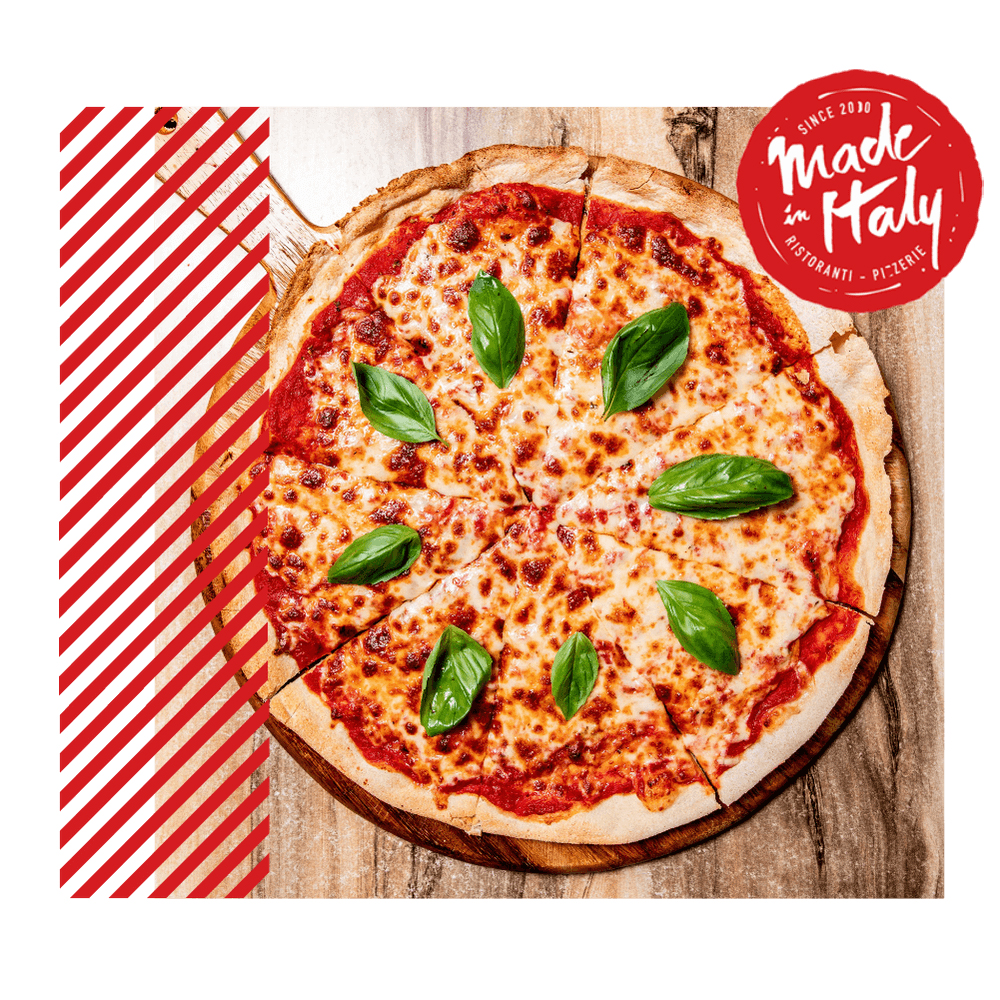
Every pizza is hand-stretched to 15 inches using 24-hour fermented Roman dough — thin, crispy and built to travel well. Every pasta sauce simmers for 12 hours using family recipes from Rome. This is proper Italian food, delivered to your door.
We deliver across the CBD and surrounding precincts — Wynyard, Barangaroo, The Rocks, Darling Harbour, Haymarket and more. Free delivery on orders over $50. For office lunches and corporate events, our Italian catering service delivers XL pizza platters and pasta trays from $12 per person.
For a full sit-down experience with cocktails and table service, our sister venue Next Door CBD is right next door on York Lane — just walk next door.
Order Now →$18 Lunch Specials
Every Tuesday to Friday, 11am to 2pm. The best value Italian lunch in the Sydney CBD.
- Any medium pizza (11")
- Any pasta dish
- Excluding seafood
- Dine in or takeaway

Italian Food the Way It Should Be
Lunch Specials
Any pizza or pasta for $18 every Tue-Fri, 11am-2pm. The best value lunch in Sydney CBD.
Slow-Cooked Sauces
Our pasta sauces simmer for 12 hours. Taste the difference in our Lamb Ragu, Bolognese, and Napoletana.
XL Roman Pizza
Hand-stretched, thin and crispy. Our XL 15-inch Roman pizzas are made to share with the whole office.
Corporate Catering
XL pizza platters and pasta trays delivered to your CBD office. From $12 per person. Same-day orders available.
Looking to Dine In? Visit Next Door CBD
Made In Italy on York Lane is our delivery, takeaway and catering kitchen — no dine-in seating here. For a full sit-down experience, our sister restaurant Next Door CBD is right next door — full table service, cocktail bar, group dining, functions, and happy hour Tue–Fri 4–6pm.
We Deliver to Your Office
Our York Lane kitchen delivers XL Roman pizza and 12-hour slow-cooked pasta to offices, apartments and hotels across the Sydney CBD and surrounding precincts. Free delivery on orders over $50. Minimum order $25. Tuesdays to Saturdays.
Call to Order: 02 9299 0900Made In Italy Sydney CBD
This location is delivery & takeaway only. For dine-in, visit Next Door CBD at the same address.

Pizza Delivery & Catering — Sydney CBD
Pizza Delivery Near Sydney CBD
Pizza & Pasta Delivery — Sydney CBD
Delivery, takeaway and corporate catering from York Lane — 2 min from Wynyard. Call 02 9299 0900.
Order Takeaway → Order Catering →